MEASURED
The cheetah's real top speed
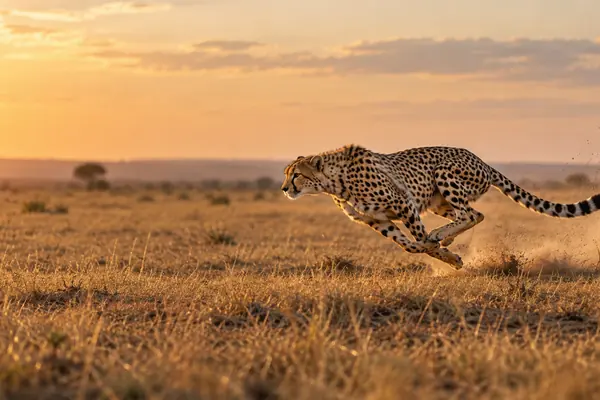
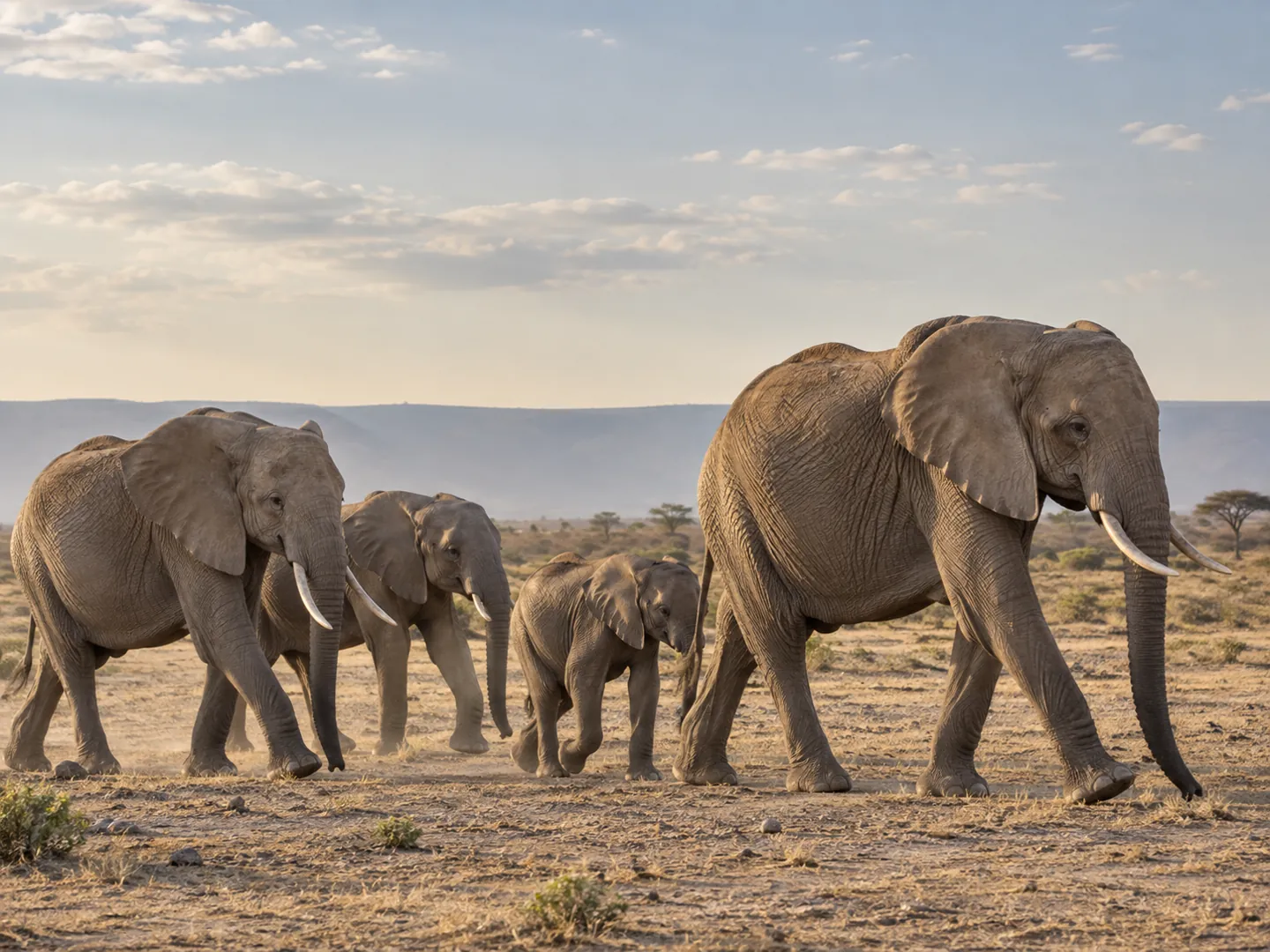
GPS collars on five wild cheetahs in Botswana recorded a top speed of 25.9 metres a second, about 93 km/h. Most hunts used only moderate speeds.
See the numbers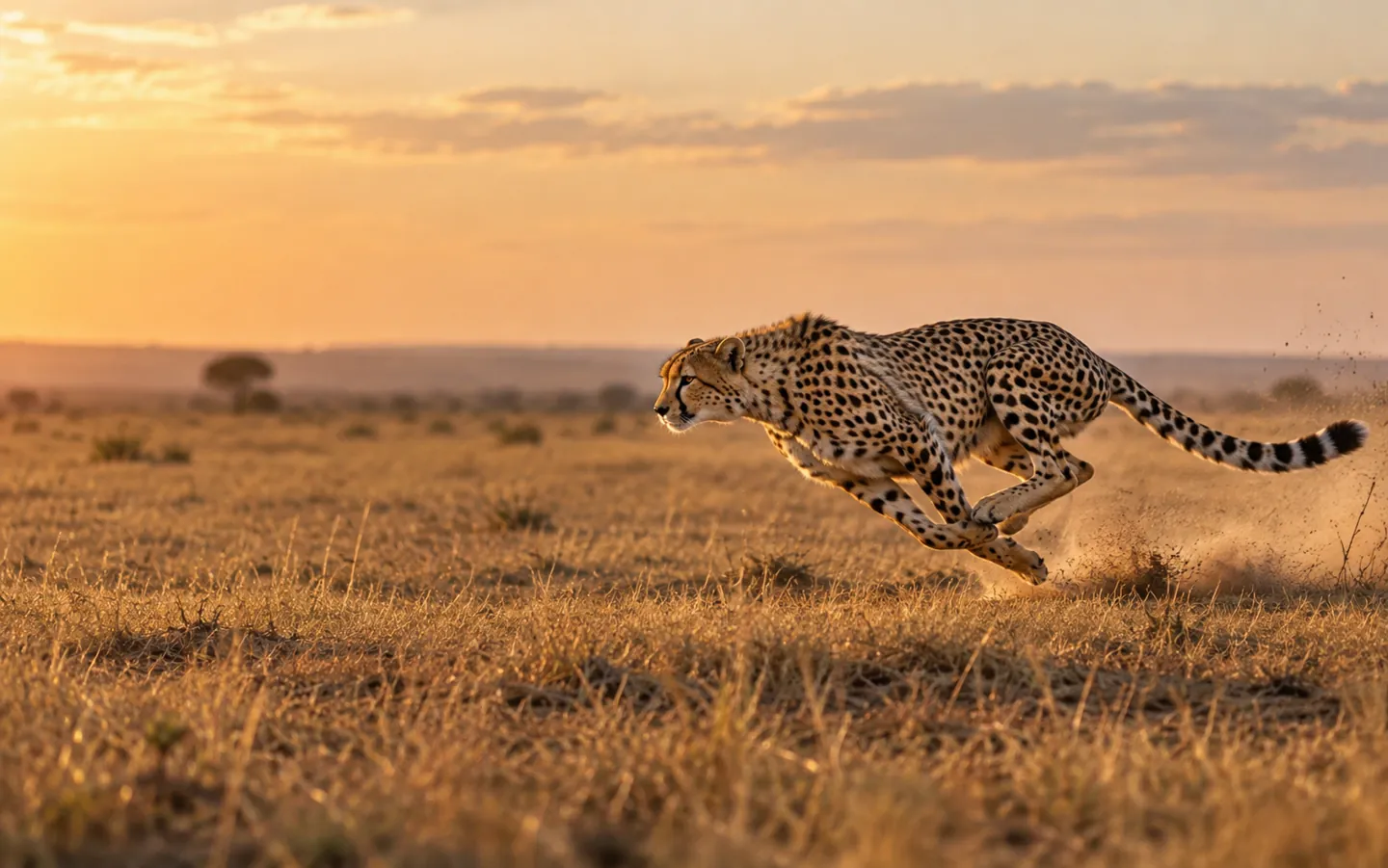
 speedoodles
WHAT THE MEASUREMENTS SAY
MEASURE don't guess
Animal speed records are easy to repeat and hard to check.
Researchers now use GPS collars, muscle tests and large datasets to measure how fast animals really go. Some famous figures hold up, some shrink a lot, and a simple pattern explains why the largest animals are not the quickest.
Updated
Check an animalTHE SHORT ANSWER
Three findings from field and lab studies
that change how we read speed records.
MEASURED
GPS collars on five wild cheetahs in Botswana recorded a top speed of 25.9 metres a second, about 93 km/h. Most hunts used only moderate speeds.
See the numbersMYTH
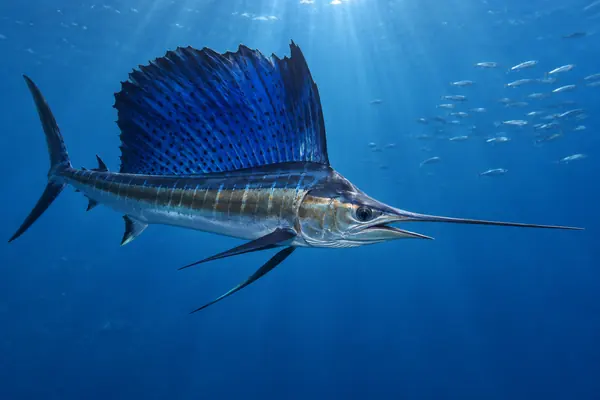
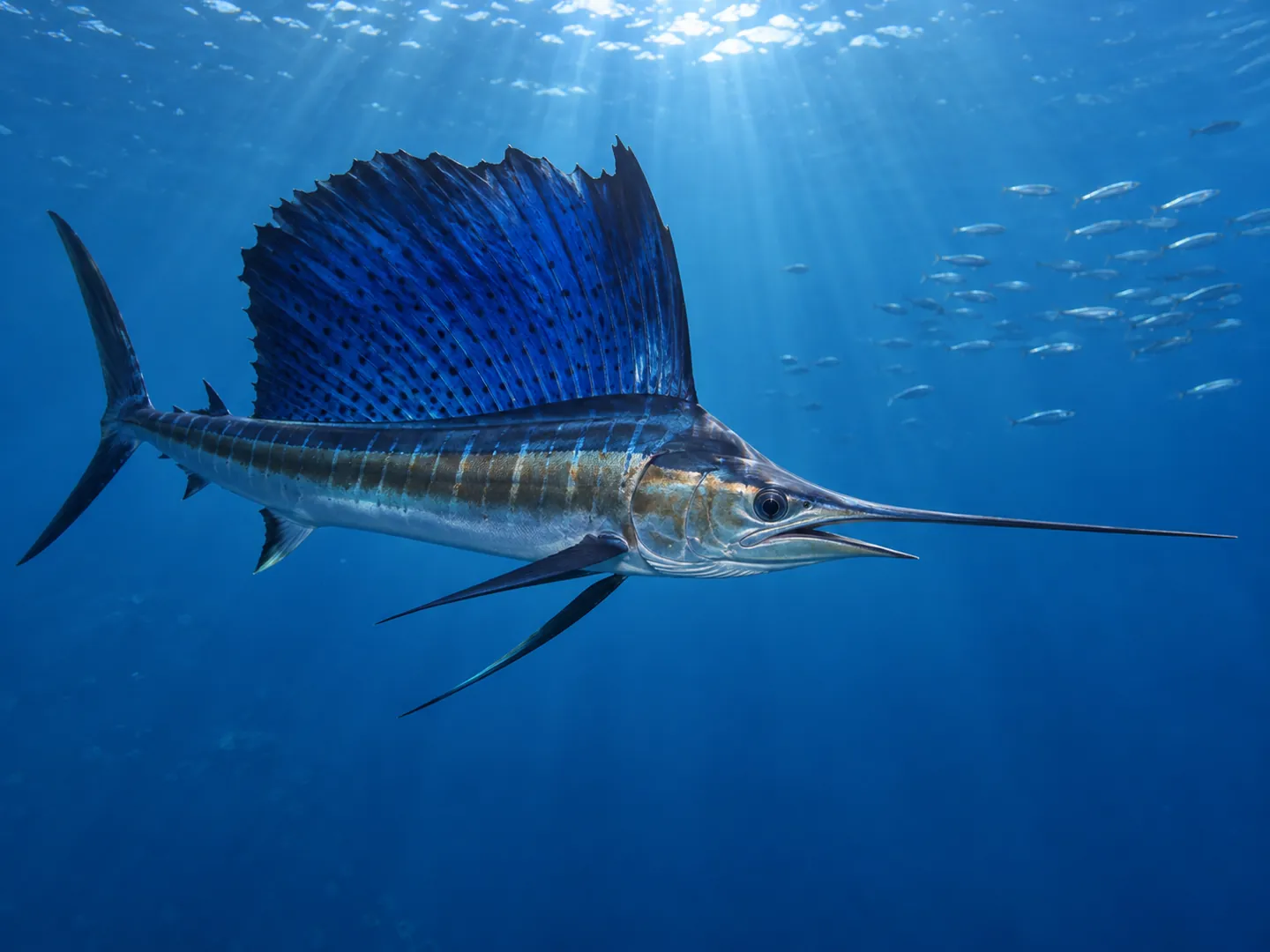
Old estimates put sailfish at around 35 m/s. Muscle tests suggest about 8.3 m/s, and that they cannot exceed 10 to 15 m/s.
Check an animalSIZE
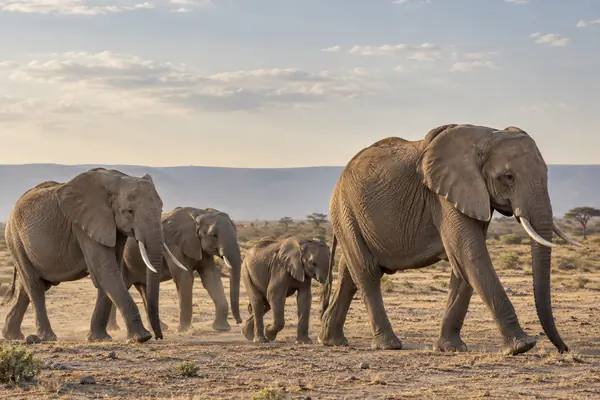
Across 474 species, top speed rises with size and then falls again, because the largest animals run out of time to accelerate.
Why size mattersA QUICK SPEED CHECK
Pick an animal to see its top speed as measured or estimated in a peer-reviewed study. The bar shows how fast it is compared with the others here.
Cheetah speed from GPS collars (Wilson et al., 2013). Fish speeds estimated from muscle contraction time (Svendsen et al., 2016). Approximate km/h conversions are ours.
TWO NUMBERS WORTH KNOWING
One record from a tracking collar,
one pattern from hundreds of species.
93 km/h
Top speed of a wild cheetah, GPS-collared
25.9 m/s (58 mph), from 367 runs by five cheetahs in Botswana. The collars also recorded some of the highest acceleration and deceleration measured in any land mammal.
CHEETAH · ROYAL VETERINARY COLLEGE
474 species
Species in the speed and size dataset
From 30 micrograms to 100 tonnes, on land and in water. Maximum speed follows a hump-shaped curve with body mass, so the largest animals are not the fastest.
SCALING · NATURE ECOLOGY & EVOLUTION
A 2018 study of lions, zebras, cheetahs and impalas found the predators had 20% higher muscle fibre power, 37% greater acceleration and 72% greater deceleration than their prey.
FOUR QUESTIONS FOR ANY SPEED RECORD
Animal speed claims travel fast. These questions, drawn from how the studies here were done, help sort measured figures from guesses.
A GPS collar on a wild animal is very different from a stopwatch estimate or an old anecdote.
The sailfish study checked old claims against cavitation, the speed at which water would damage fins.
Cheetahs can hit 93 km/h, but most hunts in the study ran at moderate speeds.
Across 474 species, middle-sized animals reach the highest top speeds, not the giants.
WHY SIZE MATTERS
Traditional models assumed top speed simply keeps rising with body size. The 2017 scaling study instead allows for the time an animal needs to accelerate, which is limited.
Because acceleration time is finite, large animals never reach the speed their size alone would predict, so their real maximum falls short. That gives a hump-shaped curve, and data from 474 species, on land and in water, strongly support it.
Questions
The fastest run recorded by GPS collars on wild cheetahs in Botswana was 25.9 metres a second, about 93 km/h or 58 mph. Most of the 367 runs, mostly hunts, were at moderate speeds.
The famous figure of around 35 m/s does not hold up. A 2016 muscle study estimated sailfish top speed at about 8.3 m/s and concluded they cannot exceed 10 to 15 m/s.
Cavitation is the formation of vapour bubbles in water. The sailfish study cites theoretical work predicting it would occur at 10 to 15 m/s, with destructive consequences for fin tissue, which puts a ceiling on realistic speeds.
A 2017 study of 474 species found top speed rises with body mass and then falls. Animals have only a finite time to accelerate, and the largest ones run out of it before reaching the speed their size would otherwise suggest.
Not always. A 2018 study found predators had more muscle power, acceleration and deceleration than their prey, but hunts at lower speeds let prey use their full turning ability, which favours escape.
Sources
ABOUT THIS NAME
speedoodles.com is part of the DoodleSale portfolio. It isn't in an auction right now, but you can ask about leasing it.